


-
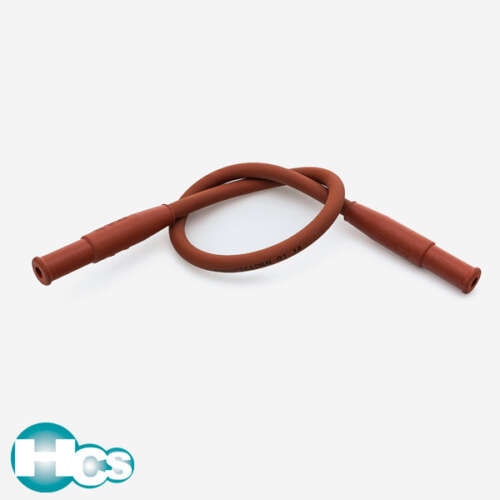 Specially designed and manufactured from extra thick walled rubber to be used with bunsen burners. The reinforced ends fits perfectly to the bunsen burner at one side and the gas tap at the other, assuring a gas leakage free connection.
 -
 Manufactured from natural rubber with a standard thickness of durometer 45 A. Guarantees excellent chemical and temperature resistance between -25°C to +70°C.
 -
 Manufactured from natural rubber with a standard thickness of durometer 45 A. Guarantees excellent chemical and temperature resistance between -25°C to +70°C.
 -
 Manufactured from natural silicone with standard thickness of durometer 45A. Guarantees excellent chemical and temperature resistance between -60°C to +170°C.
 -
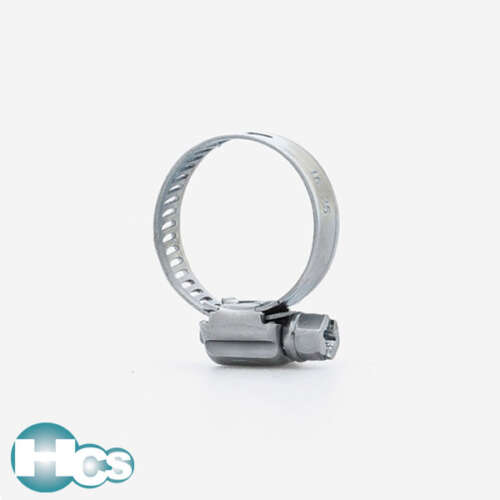 Manufactured from chrome steel according to DIN 3017 standard. Ideal clamps for safe fastening and securing tubings on pipe systems or to stopcocks.
 -
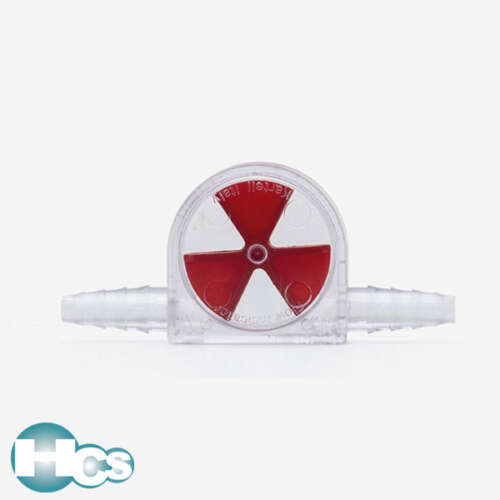 Manufactured from PMP for precise optical indication of the flow. Can resist max 2 bar pressure. Can be used with tubings of 6 to 11 mm internal diameter. For optimum performance, the minimum flow rate of 50 ml/ minute (vertically) and 140 ml/minute (horizontally) is required. Functions in both directions and can be mounted with any angle.
 -
 Manufactured from clear polypropylene for safe connection of tubings with an exact same inner diameter. 4 available models provide an excellent, leak-proof and multi-functional connection.
 -
 Measurements: Bottom diameter x top diameter x height. Manufactured from additive free, best quality natural rubber according to DIN 12871 standard with durometer 40 A. Guarantees excellent chemical and temperature resistance between -25°C to +70°C.
 -
 Measurements: Bottom diameter x top diameter x height. Manufactured from chemically inert, autoclavable, best quality natural silicone according to DIN 12871 standard with durometer 50 A. Guarantees excellent chemical and temperature resistance between -60°C to +170°C.
 -
 Measurements: Bottom diameter x top diameter x height. Manufactured from no-porous additive free, best quality natural cork according to DIN 12871 standard dimensions. Offers multi advantages with their light weight yet robust construction. Can be easily drilled.
 -
 Manufactured from additive free, best quality natural rubber according to DIN 12871 standard with durometer 40 A. Guarantees excellent chemical and temperature resistance between -25°C to +70°C. The drilled hole offers labour and time-saving applications.
 -
 Manufactured from additive-free autoclavable, air permeable, actively breathing best quality cellulose. Provide excellent sealing for microbiological samples in tissue culture tubes, flasks etc. Also offers multiple advantages such as economical price, labour and time-saving applications and perfectly tight fitting.
 -
 Manufactured from chemically inert, autoclavable, best quality natural silicone. Guarantees excellent chemical and temperature resistance between -60°C to +170°C. They provide perfect tight sealing even with poorly finished rims preventing accidental openings. Offers optional sealing both from inside or outside of the tube wall. For sampling, the upper septum can be easily punctured. Flexible body material, resealable.
 -
 Manufactured from heat resistant, durable borosilicate glass according to DIN 12252 standard. Hexagonal flat head prevents the stopper from rolling on the bench and avoids the breakage risk. A pointed, round formed “drip-tip” stopper lower end guarantees return of the adhered liquid back to the flasks.
 -
 Manufactured from heat resistant, durable borosilicate glass according to DIN 12252 standard. Hexagonal flat head prevents the stopper from rolling on the bench and avoids the breakage risk. A pointed, round formed “drip-tip” stopper lower end guarantees return of the adhered liquid back to the flasks.
 -
 Manufactured from polypropylene for perfect tight sealing for all NS joints. Hexagonal flat head prevents the stopper from rolling on the bench and avoids the breakage risk. The hallow form of the stopper head collects the adhered liquid and prevents the possible damage risk of the laboratory benches.
We have retired the old website, please let us know if you encounter any issues here


Tel: +65 6777 7077
Email: marketing@hcs-lab.com
Tel: +65 6777 7077
Email: marketing@hcs-lab.com

Get in touch with us today for any inquiries, assistance, or collaborations. We’re here to help!


Copyright ©2026 | HCS Scientific & Chemical All Rights Reserved
